


Biomarker Resource Center
Colon Cancer Biomarkers
Reviewed by XpertPatient Medical Advisory · Updated August 2026 · Primary Source: cancer.gov
Start Here
What Is a Biomarker — and Why Does It Matter for Your Treatment?
A biomarker is a signal found in your tumor. In colon cancer, biomarker tests tell your doctor which treatment approaches will work for your cancer — and which ones will not.
Think of it like a clue. Your doctor collects clues from your biomarker test results. Those clues help build a picture of your cancer. That picture helps you have a more informed conversation with your care team about next steps.
How a Biomarker Test Works
A biomarker is a signal your cancer leaves behind. Your doctor finds it through a biopsy or blood test, reads your results, and uses them to choose the treatment most likely to work for your specific tumor.
Why Do Biomarkers Matter in Colon Cancer?
In colon cancer, certain tests must be done before treatment begins. The results directly affect which approaches are right for your tumor. Your results protect you from approaches that cannot help you.
The most important colon cancer biomarkers are RAS mutation status and MSI testing. Together they tell your doctor which treatment approaches are likely to help and which are not.
A good question to ask your doctor: Ask your doctor whether RAS and MSI testing have been done before treatment begins.
Quick Poll
Have you been biomarker tested?
RAS and MSI results are the most important factors in determining your colon cancer treatment path.
Source: Adekunle et al., JAMA Network Open, 2024 · MSI testing rate in metastatic colorectal cancer (n=41,061) · jamanetwork.com
The Tests Your Doctor May Order
Do you have a mutation that affects which approaches may help?
RAS mutations are found in about half of all colon cancers. This result tells your doctor which approaches are appropriate and which are not for your tumor. Ask your doctor what your RAS result is and what it means.
Does your cancer have a finding that makes immunotherapy work very well?
About 15% of colon cancers are MSI-H. This finding means immunotherapy may be a very effective option for your care. Ask your doctor whether MSI testing has been done and what your result means.
Is there a specific mutation linked to more aggressive disease?
BRAF V600E is found in about 10% of colon cancers and is linked to more aggressive behavior. There are approaches specifically for BRAF-mutated colon cancer. Ask your doctor whether BRAF testing was done and what your result means.
Sources: National Cancer Institute · Fight Colorectal Cancer · American Cancer Society
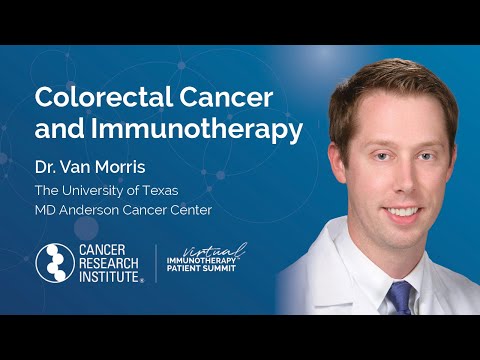
Watch & Learn

Common Questions
Colon Cancer Biomarkers — Your Questions Answered
What does RAS wild-type mean?
Wild-type means your tumor does NOT have a RAS mutation. This means you are eligible for certain targeted approaches. Ask your doctor what wild-type RAS means for your treatment options.
What is MSI-H colorectal cancer?
MSI-H means the cancer has a defect in how it repairs its DNA. This makes the cancer very visible to your immune system, which is why immunotherapy works so well.
Can I ask for biomarker testing if my doctor has not ordered it?
Absolutely. Tell your doctor: I would like RAS, BRAF, and MSI testing before we start treatment.
Should I ask about comprehensive genomic profiling?
Yes, especially for advanced disease. Comprehensive profiling can find rarer mutations that standard panels miss.
Knowledge Check
Test what you’ve learned
Three quick questions to help you feel more confident talking with your care team.
What does a RAS mutation mean for your care?
Based on what you just read, what happens if your tumor has a RAS mutation?
What is MSI-H?
Based on what you just read, what does an MSI-H result mean?
When should RAS and MSI testing be done?
Based on what you just read, when is the right time for these tests?
Keep these in mind for your next appointment.
Quick Links
From the Colon Cancer Center on XpertPatient
Have questions about your diagnosis?
XpertPatient is a free, survivor-led education resource for newly diagnosed cancer patients.
Visit the Colon Cancer Center →